How it started
Ten years walking past a shop in Sydney
There is a hydroponics shop in Sydney I walked past for about ten years and never once went into. I did buy a €150 system in Paris, of all the places in the world to buy one, and a $50 box in Manila not long before Covid arrived. Both sat there, more or less unexamined.
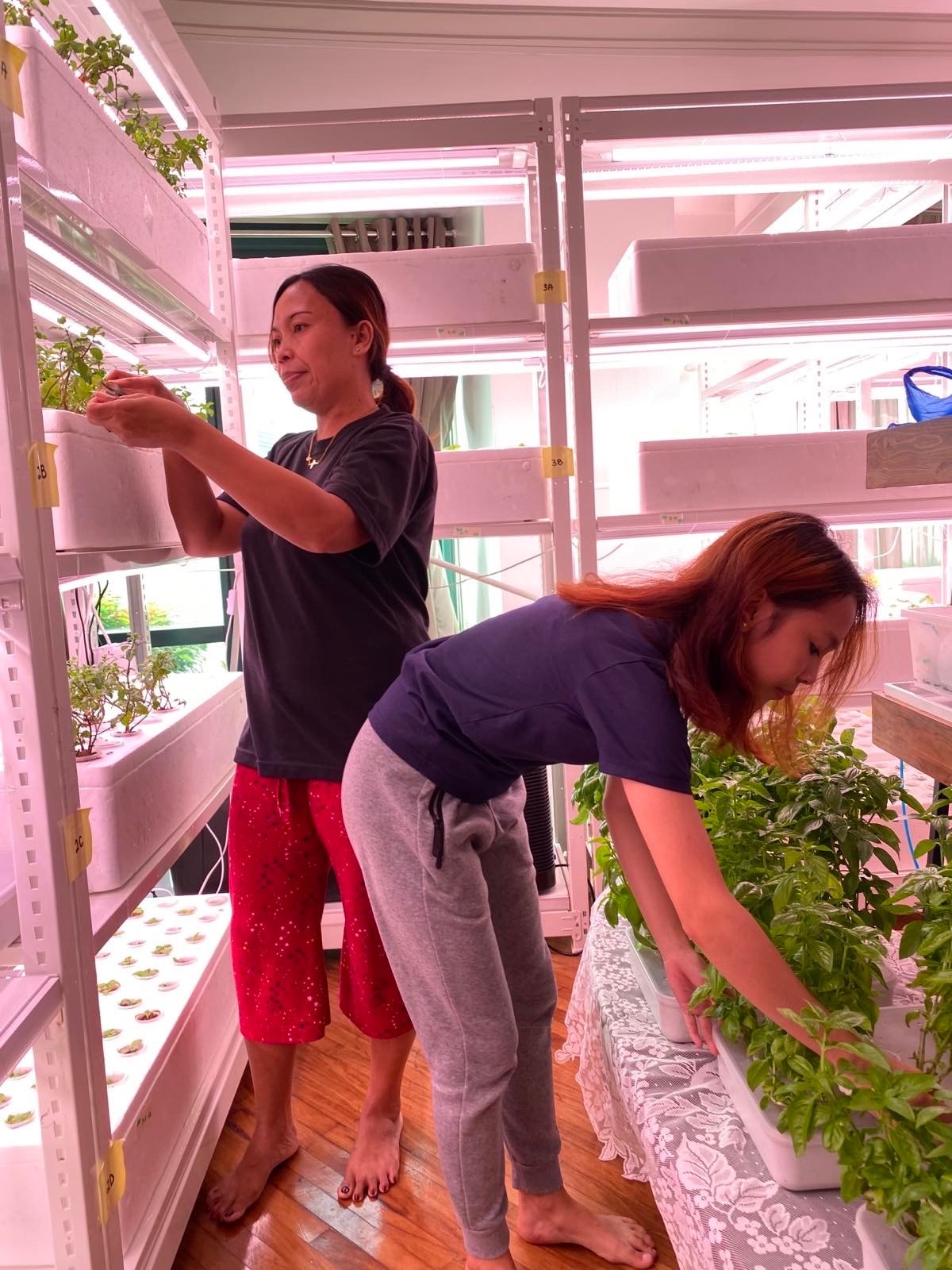
Then the travel stopped. I was in an apartment in Manila with more time than I had had in thirty years, a great deal of online work, and a box I had bought and never properly understood. Hydroponics turned out to be a healthy distraction and food I did not have to go out and buy. Covid is what made it happen.
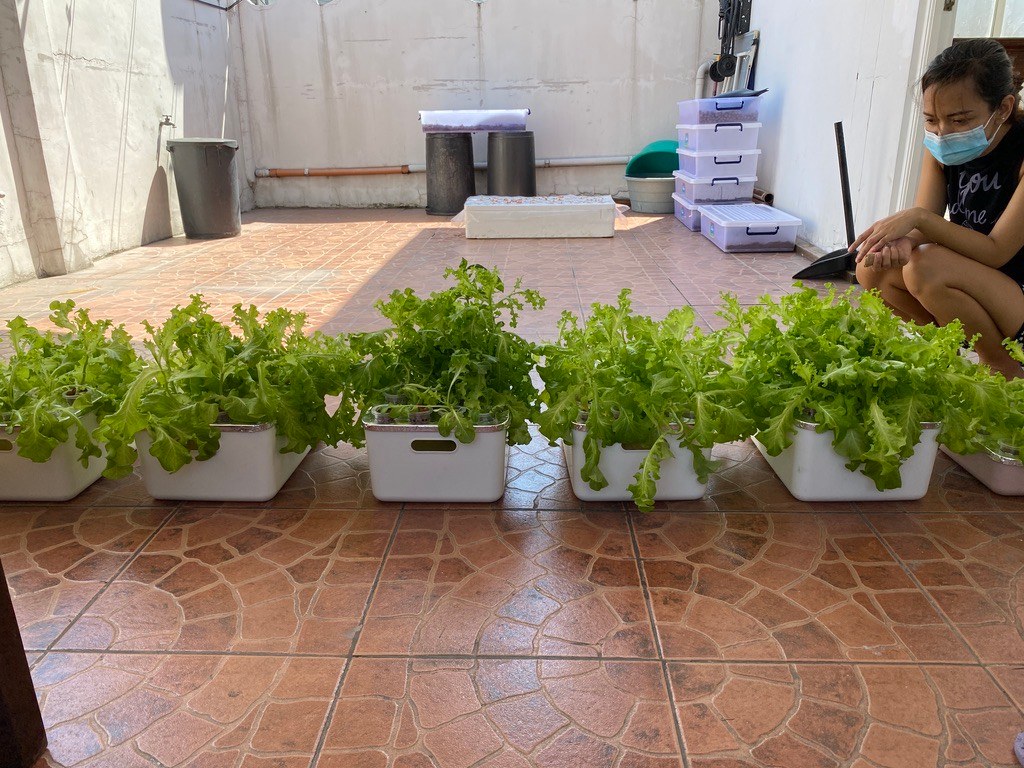
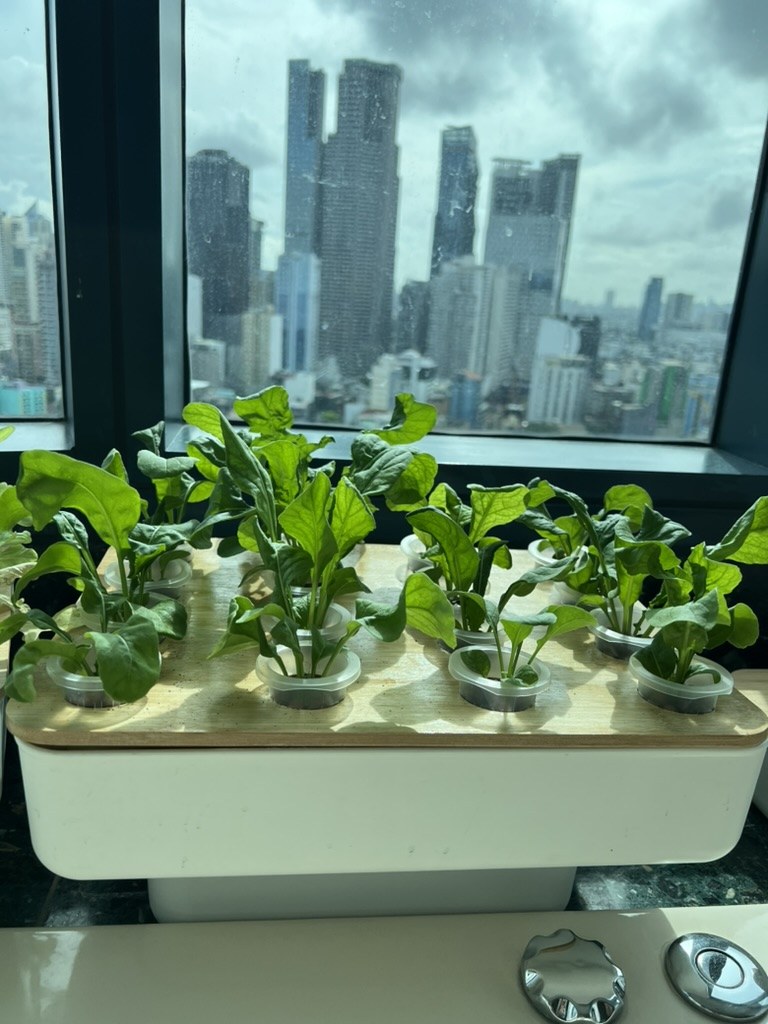
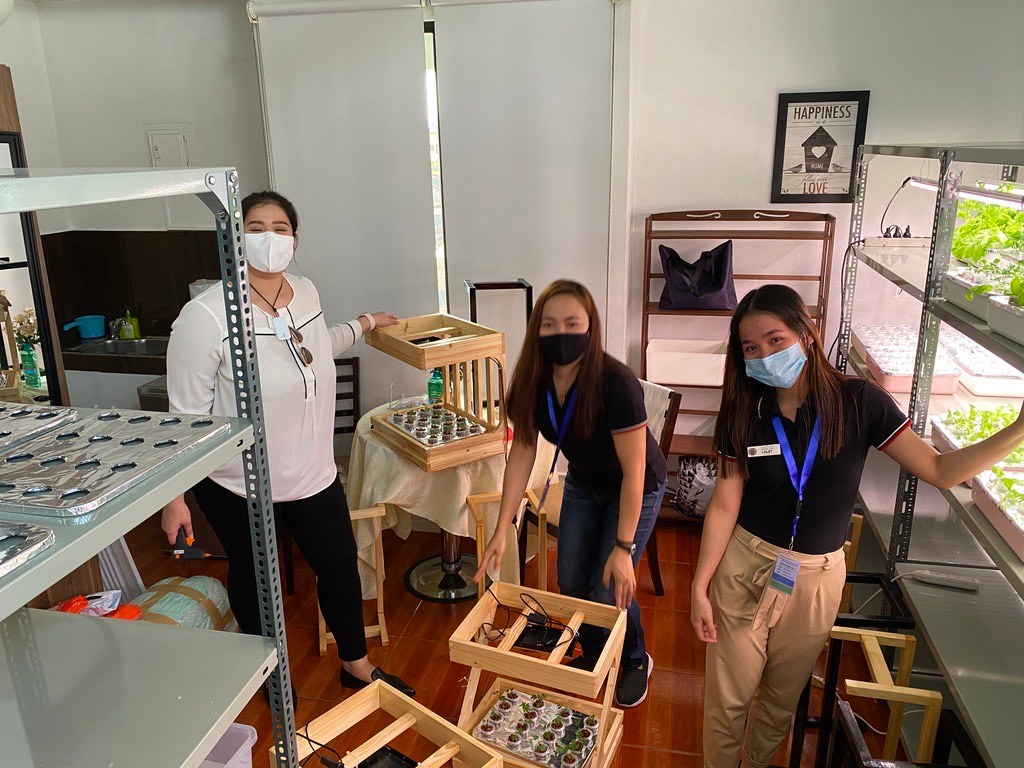
What followed was not sophisticated. I worked out the basics of the box I already owned, then discovered YouTube, then discovered Lazada — and spent several hundred hours reading, ordering parts, building and piloting. Very old-fashioned: study it, then put it to practice.
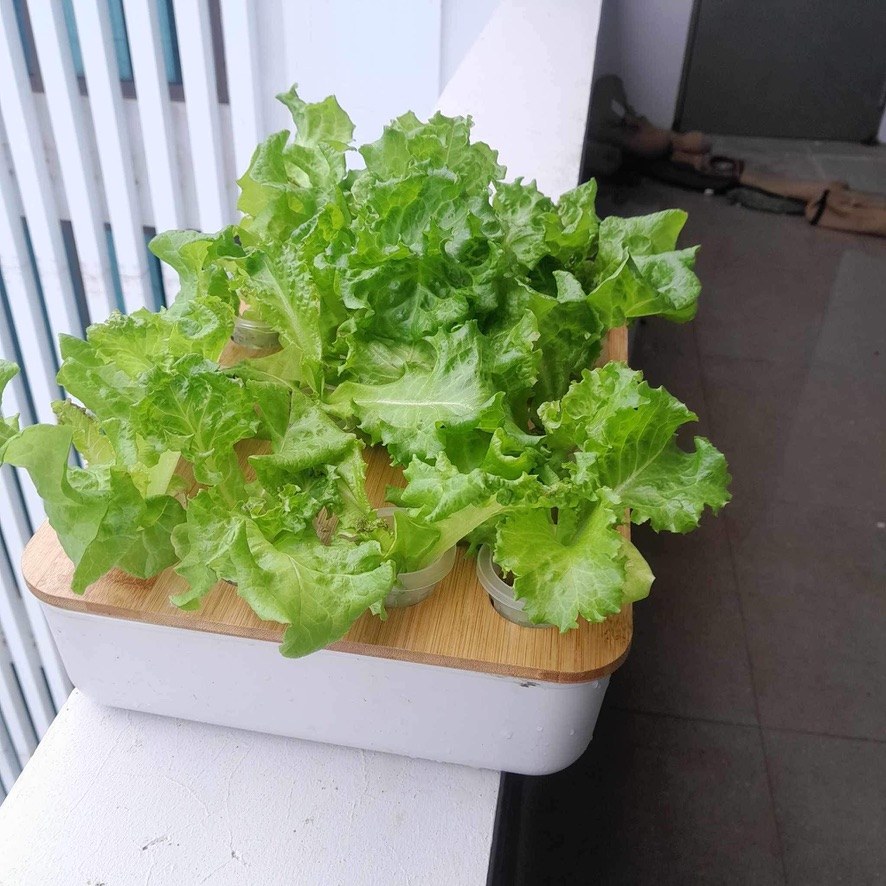
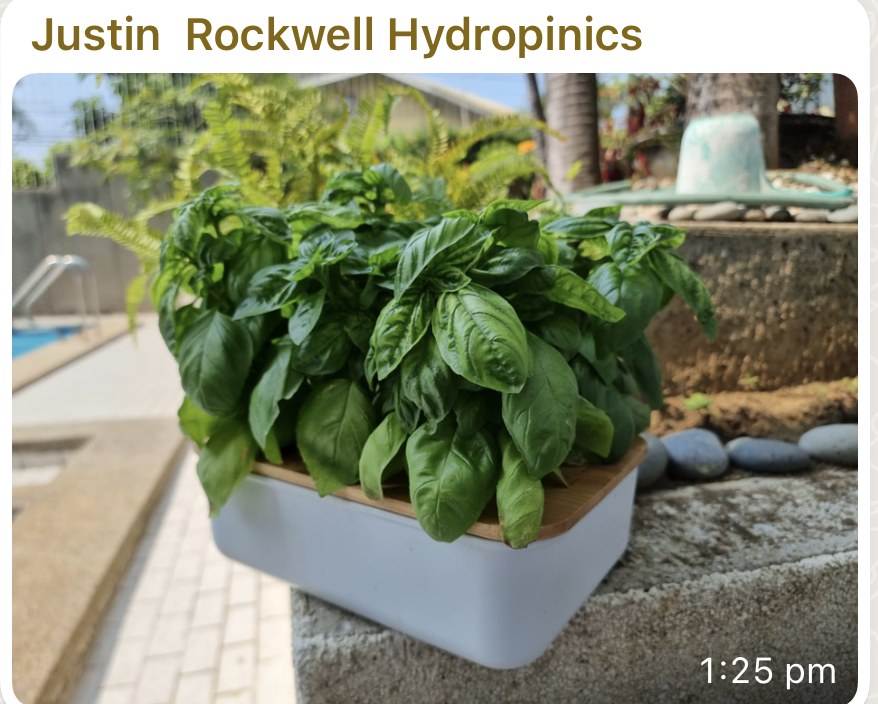
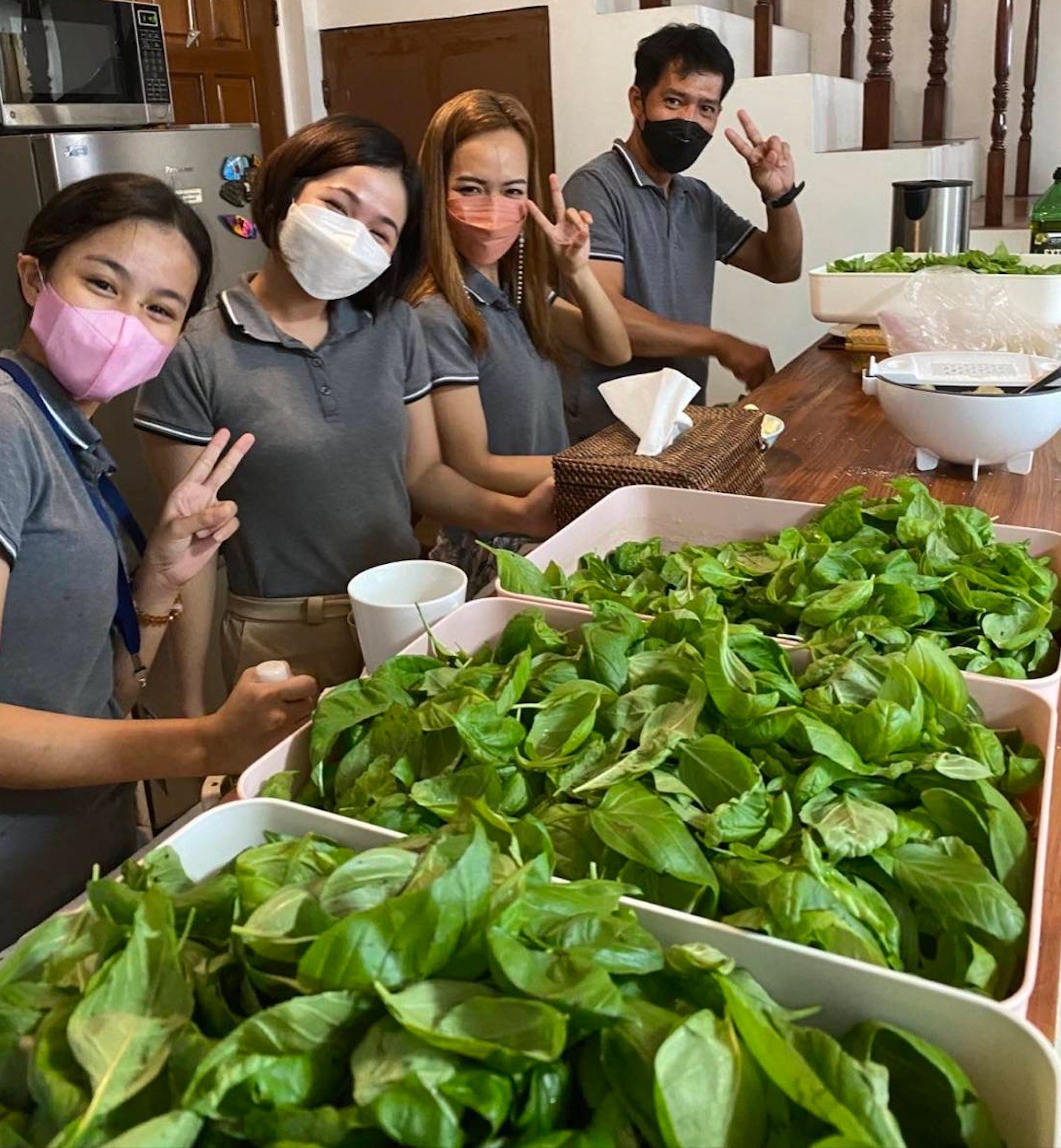
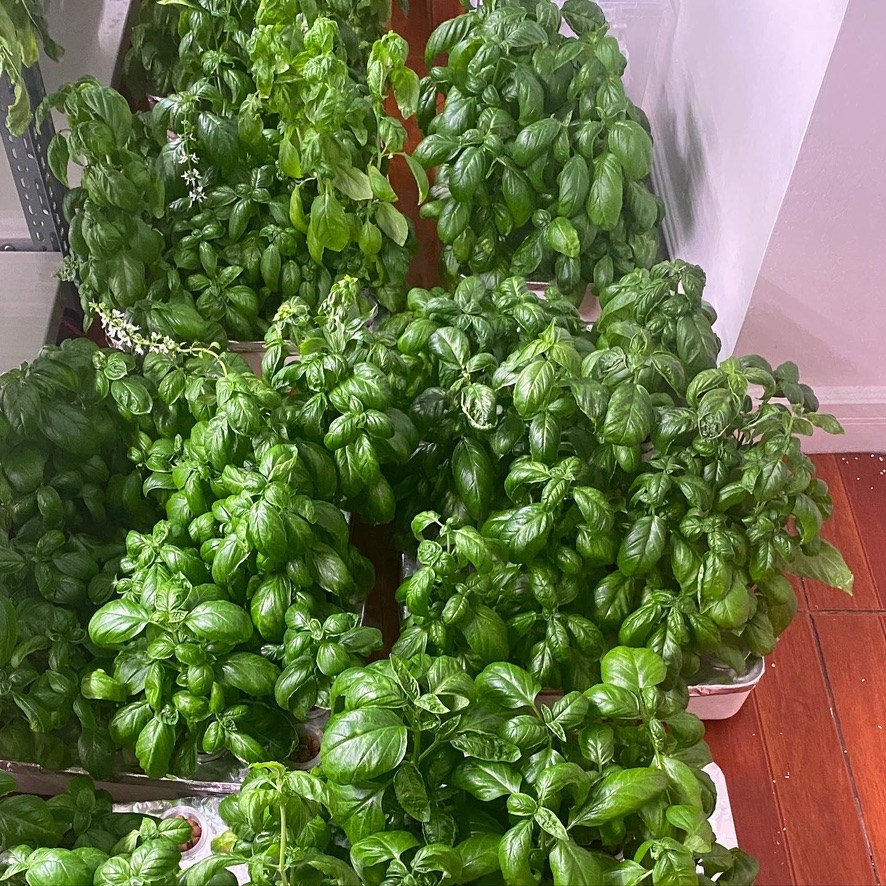
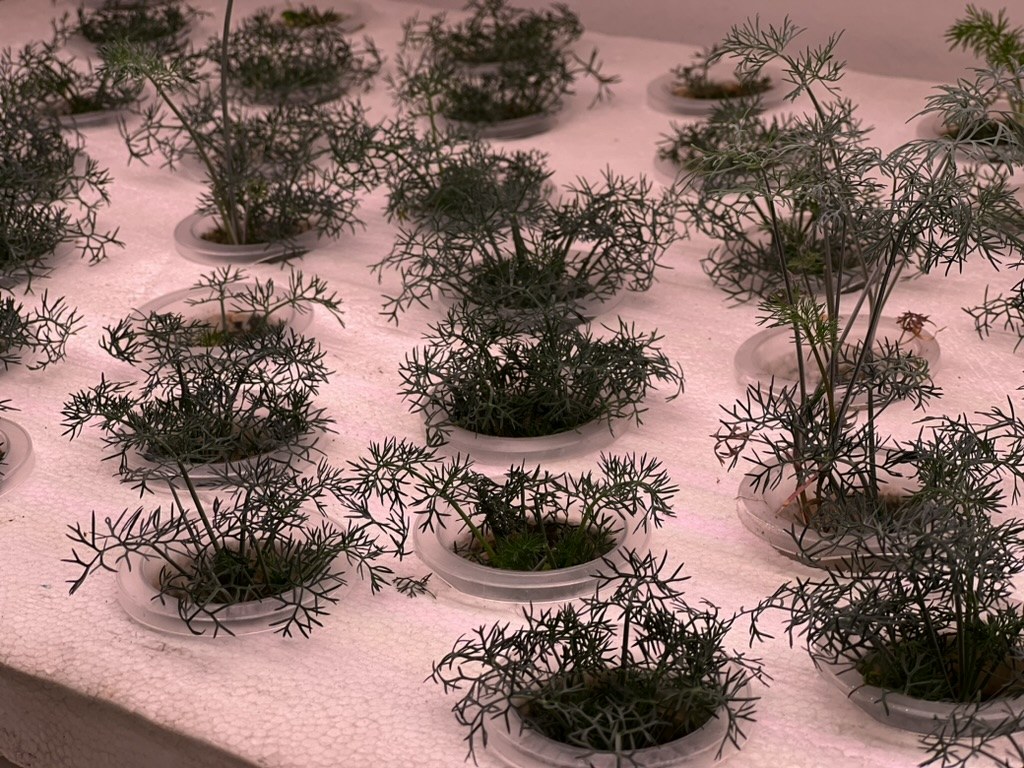
And we ate it. Lettuce and arugula at more or less every meal. Fresh pesto from the basil jungle that took over the balcony. Dill on a fried egg, or on salmon. Those are memories I will keep — and they are the honest reason it stuck. Hydroponics made the locked-up days mean something beyond another day of working through Zoom.

Lockdown also gave me the time to study something I had always wanted to learn properly — Mastering Design Thinking at MIT. I took the idea in with me as the thing I wanted to scale. It became our Team 19 project, and we called it Salad as a Service. The question we set ourselves was deliberately larger than a product: how might this help people in food deserts, or in places where distribution makes fresh food hard to reach? The team ran around forty user interviews across the United States, Hong Kong and the Philippines — grocery-store observation, home growers, people who had never grown anything, and one family living in their car.
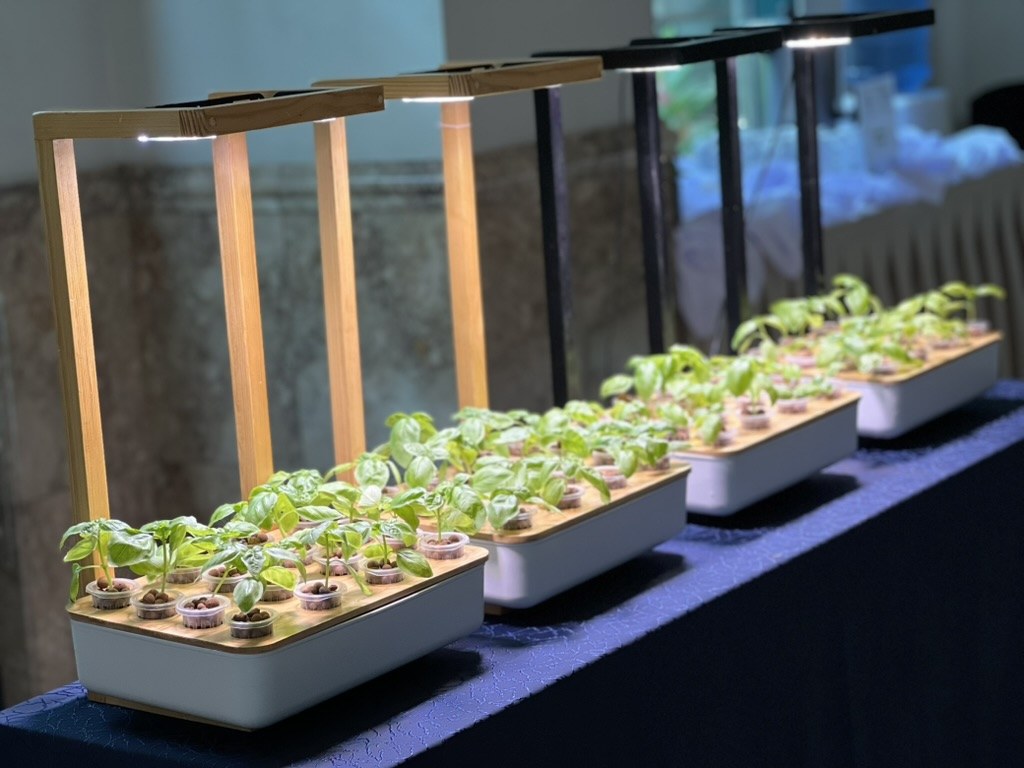
Three things came out of that research and every design decision afterwards followed from them: people are not held back by cost, they are held back by the fear of killing the plant; space is the binding constraint in cities; and gardeners want to be told what to do next, not handed equipment. Hence modular, stackable, and a subscription that guaranteed two harvests a month rather than selling you a kit and wishing you luck.
Then it was localised. The MIT project was global — American suburbs, Hong Kong apartments, Manila. What I did next, as a deliberate transition towards retirement, was run the pilot in one market and find out which parts survived contact with it. That is the whole distinction between a course assignment and a business.
-
Before Covid
A €150 system from Paris, a $50 box in Manila
Bought on impulse, after a decade of walking past a shop in Sydney. Largely unopened.
-
August 2020
Beginning
Lockdown, an apartment in Manila, and several hundred hours of YouTube, Lazada orders and trial and error.
-
September 2020
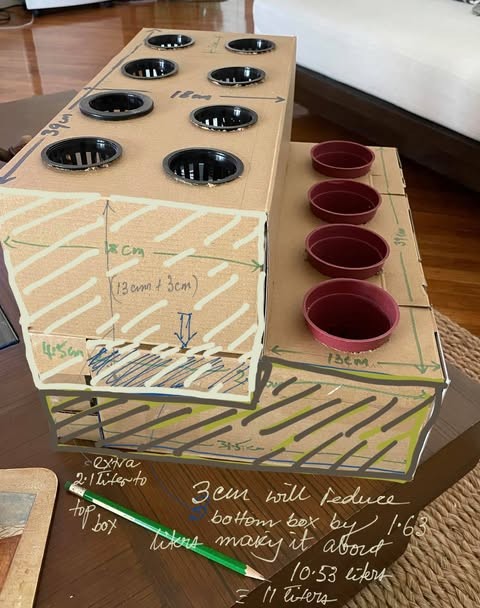
Design ideas
First sketches of a unit simple enough that its owner would not need to understand it.
-
Nov 2020 – Feb 2021
Mastering Design Thinking, MIT
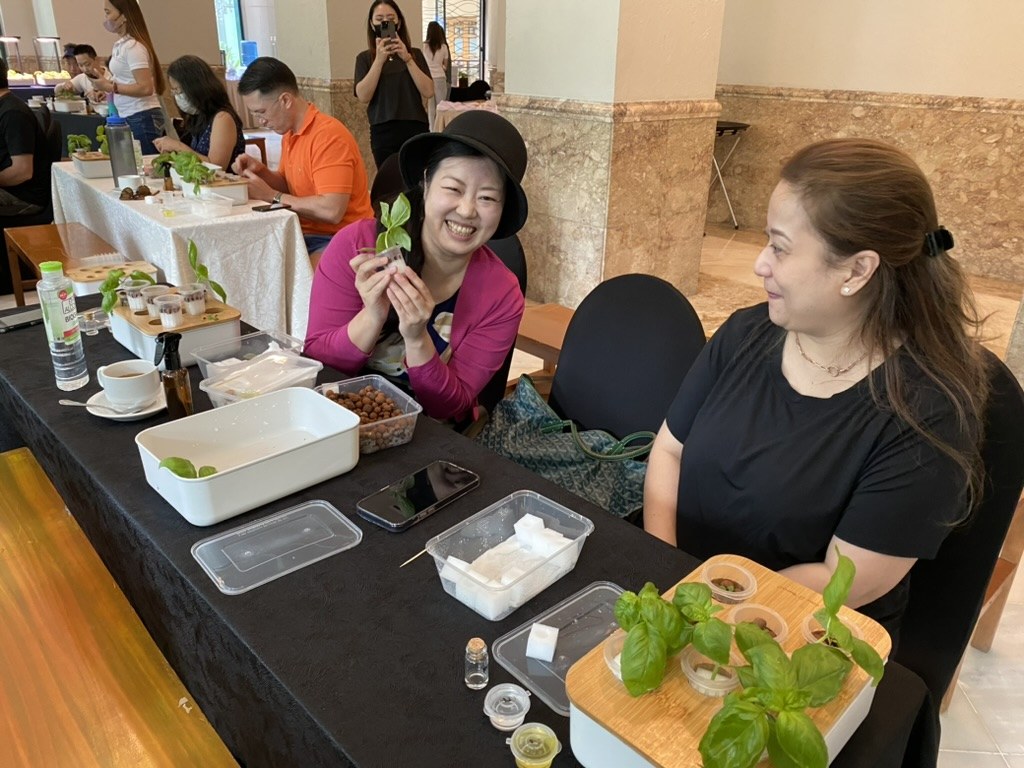
Hydroponics became the Team 19 project — forty user interviews across three countries, a life-cycle assessment that replaced plastic with bamboo, cloth and paper, and a business case built around subscription rather than hardware.
-
December 2020
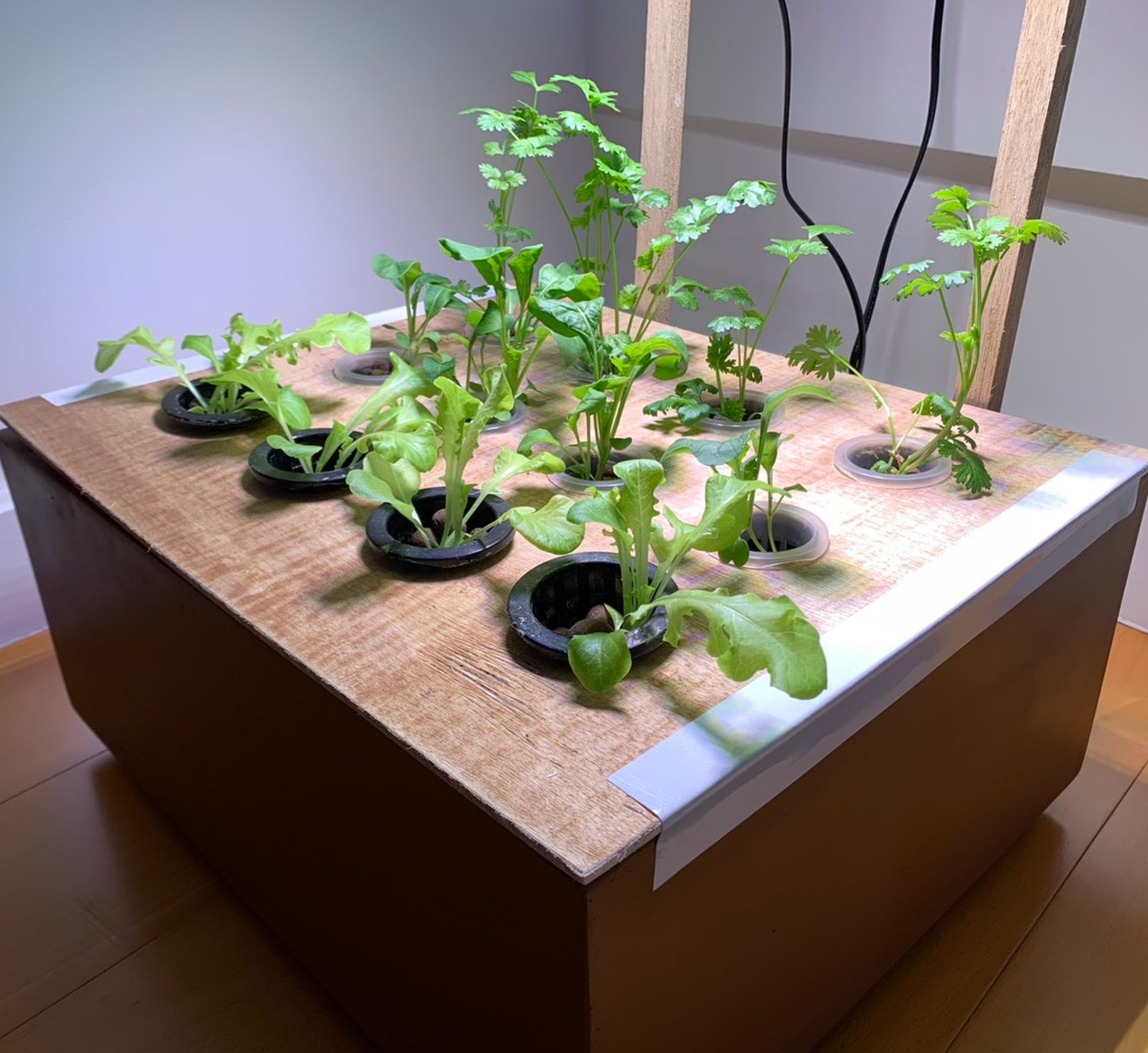
Pilot 0.1
Built, run, and learned from — mostly about what people will and will not maintain.
-
March 2021
Pilot 1.0
The version that worked. Everything after this was product, not experiment.
-
June 2023
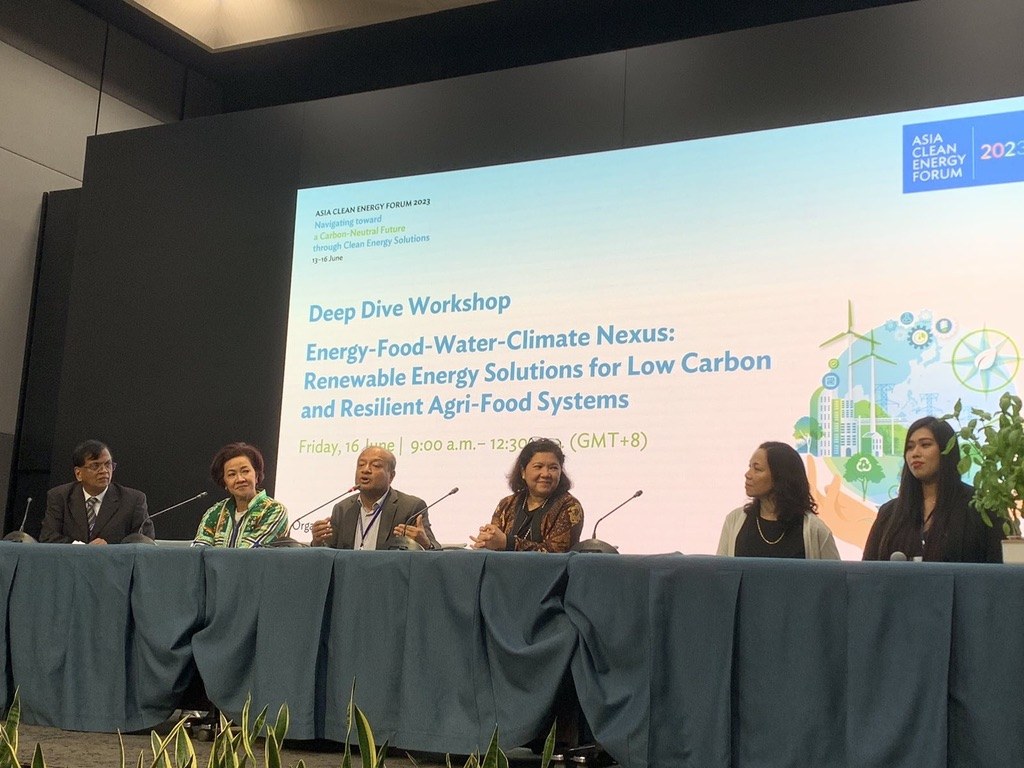
Asia Clean Energy Forum
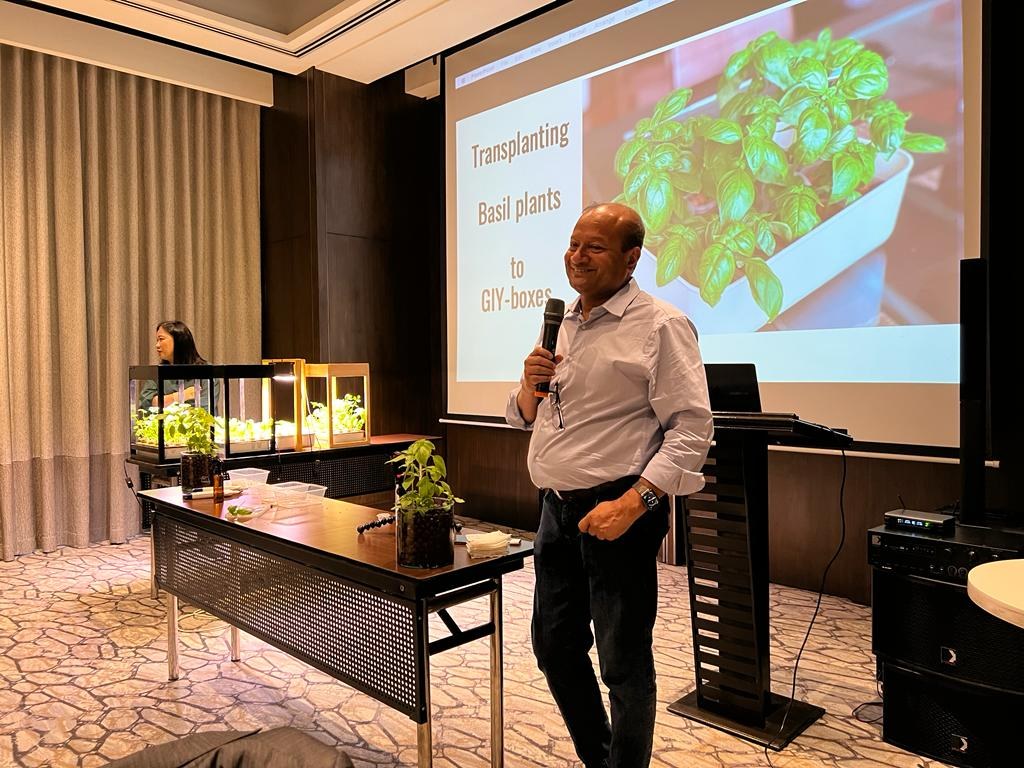
On the panel for the deep dive workshop on the energy–food–water–climate nexus — because growing food where it is eaten is an energy question and a water question before it is ever an agriculture question.
-
October 2023
Handover at Crimson, Boracay
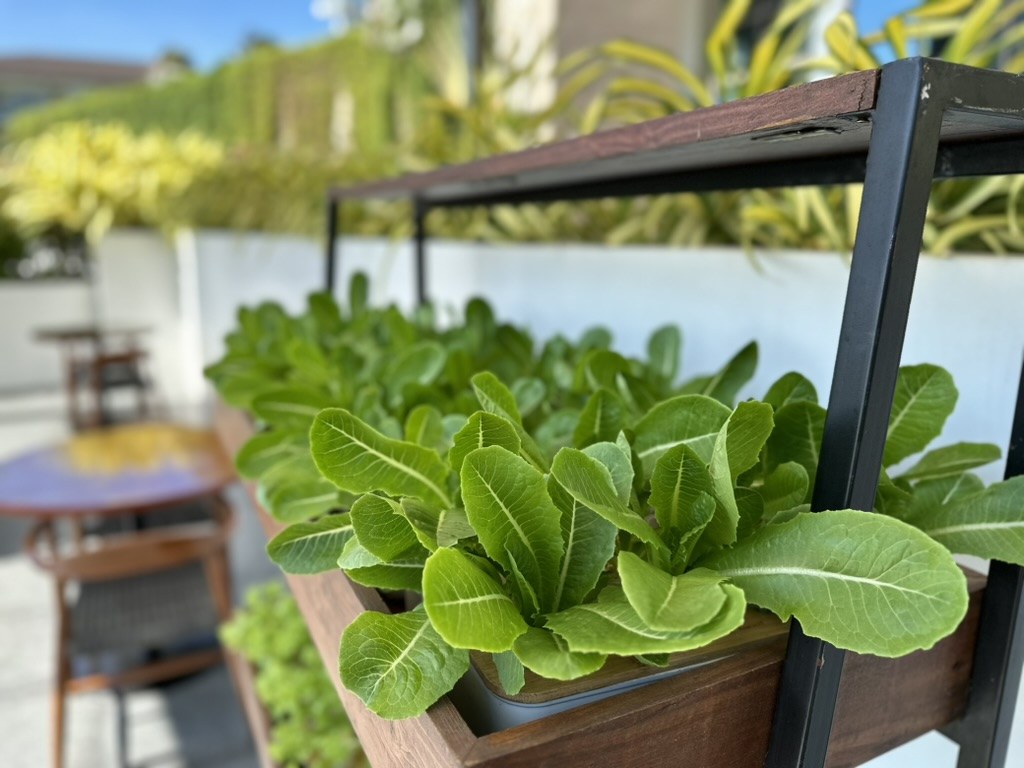
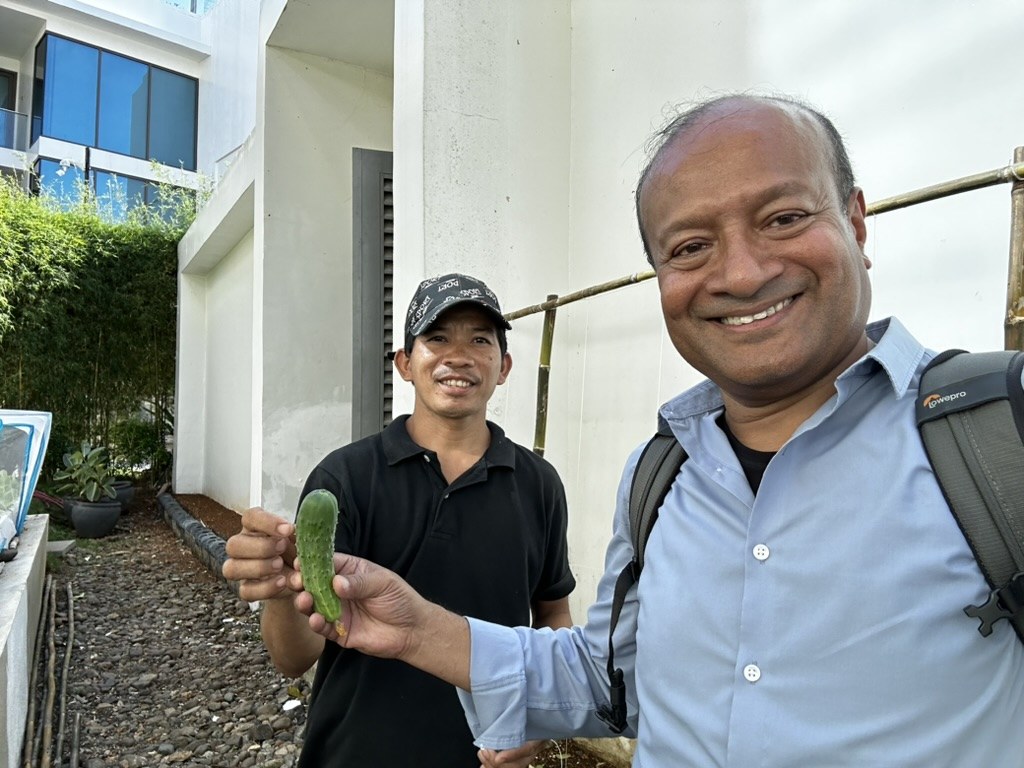
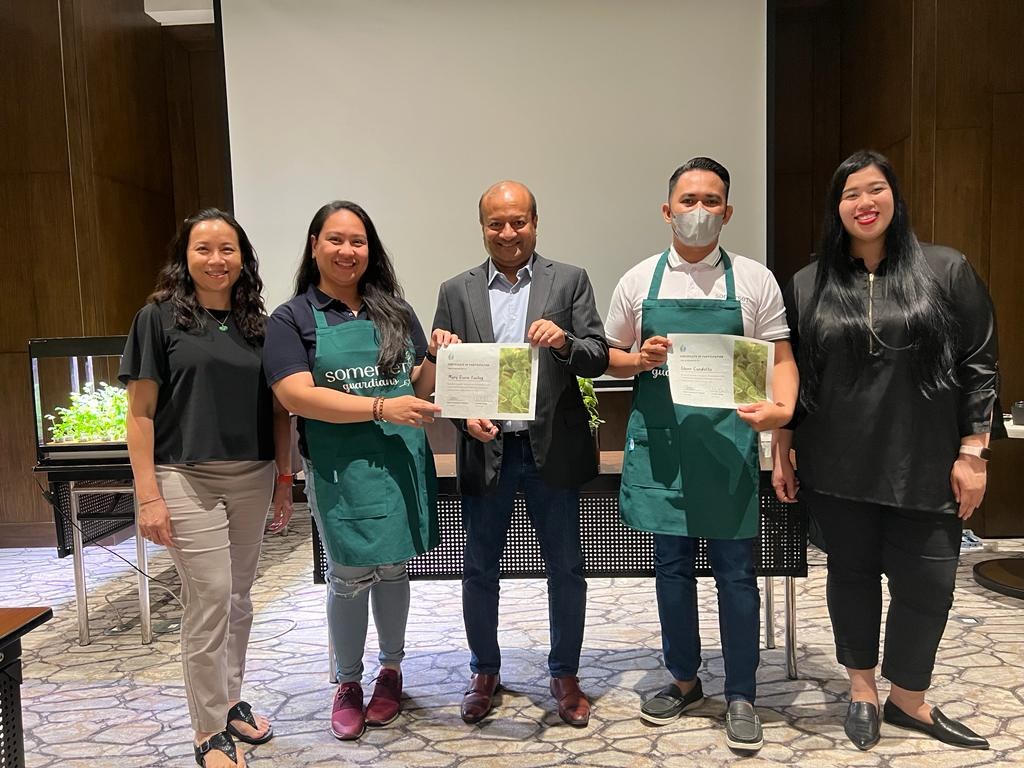
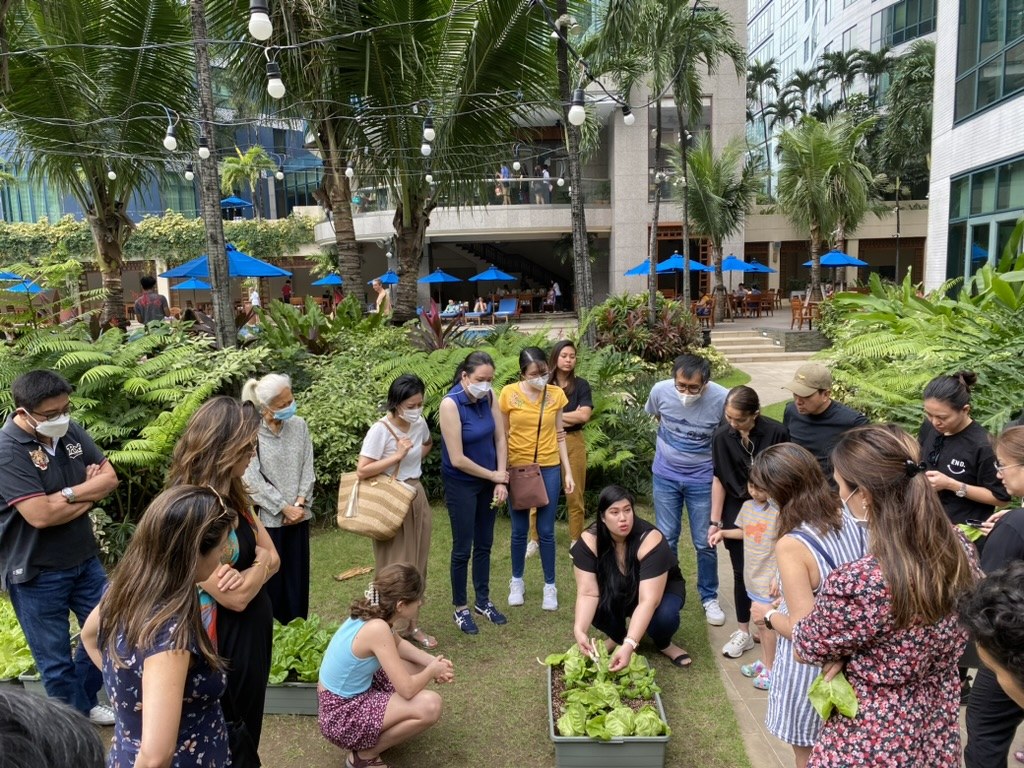
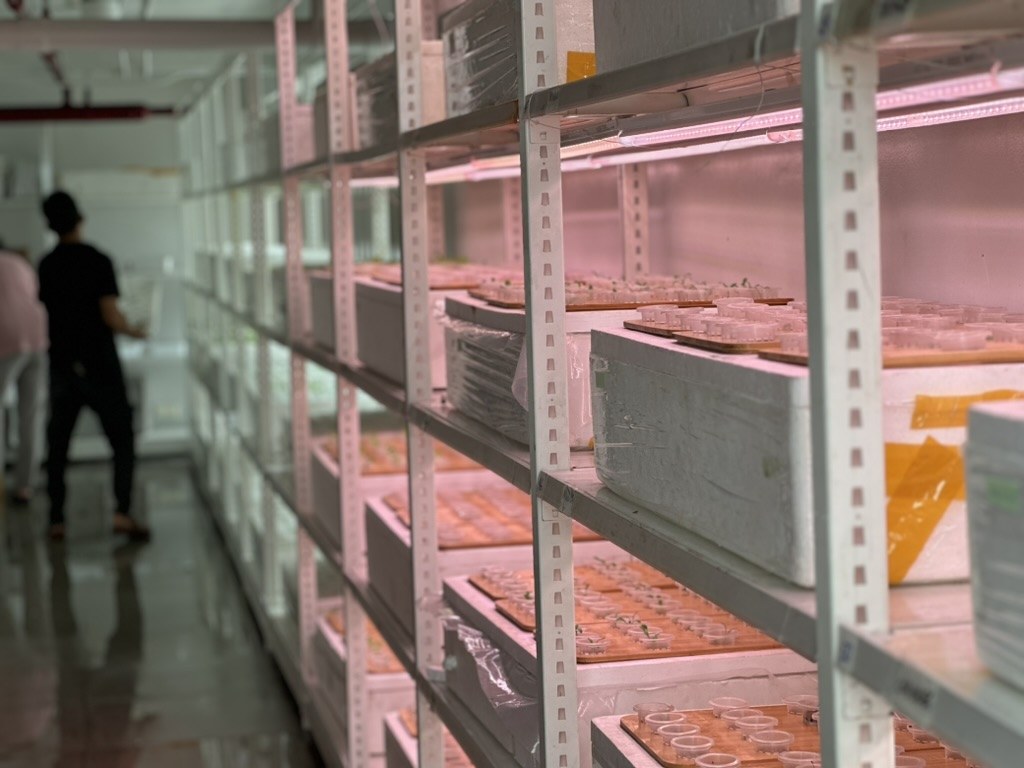
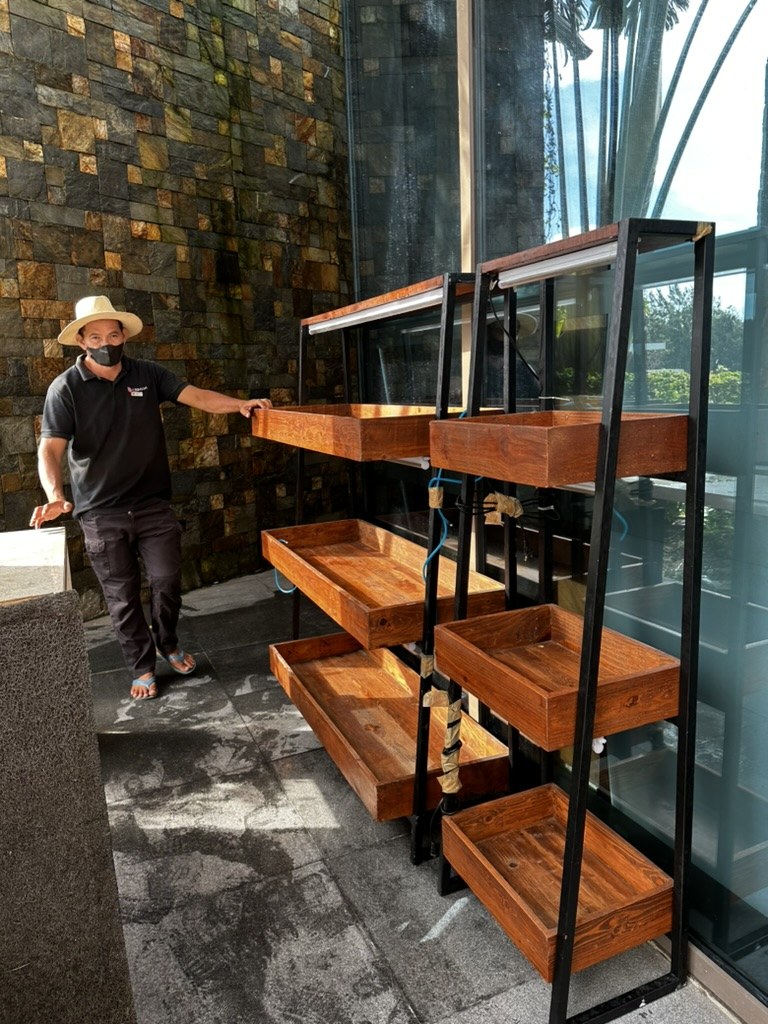
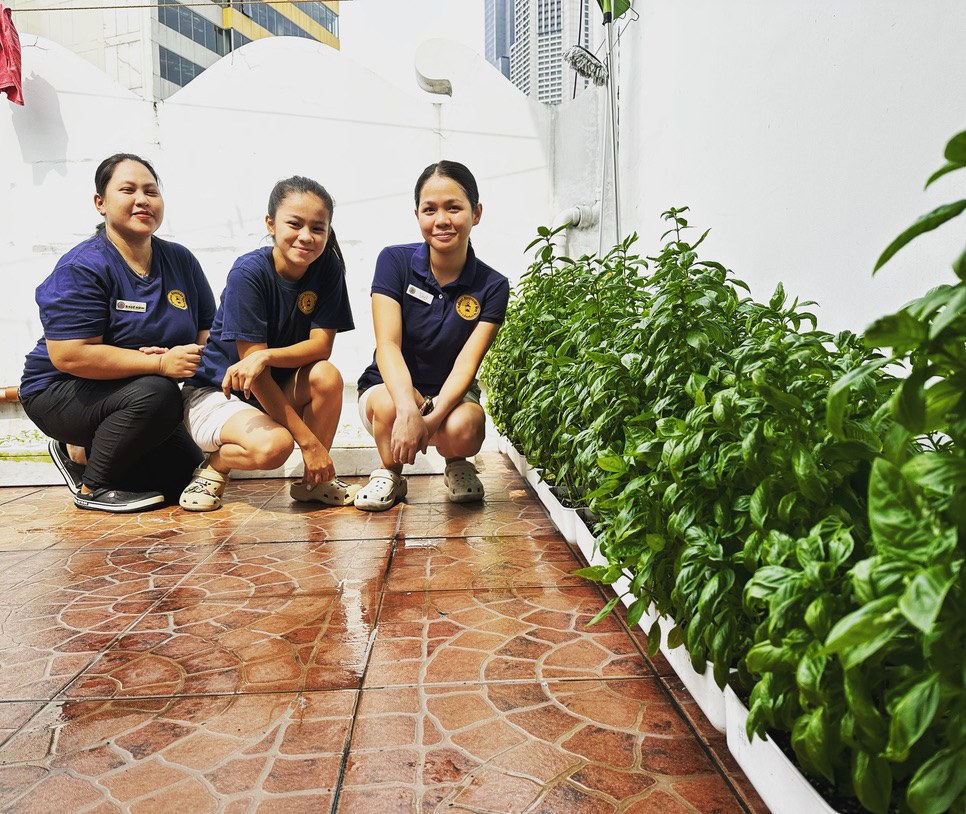
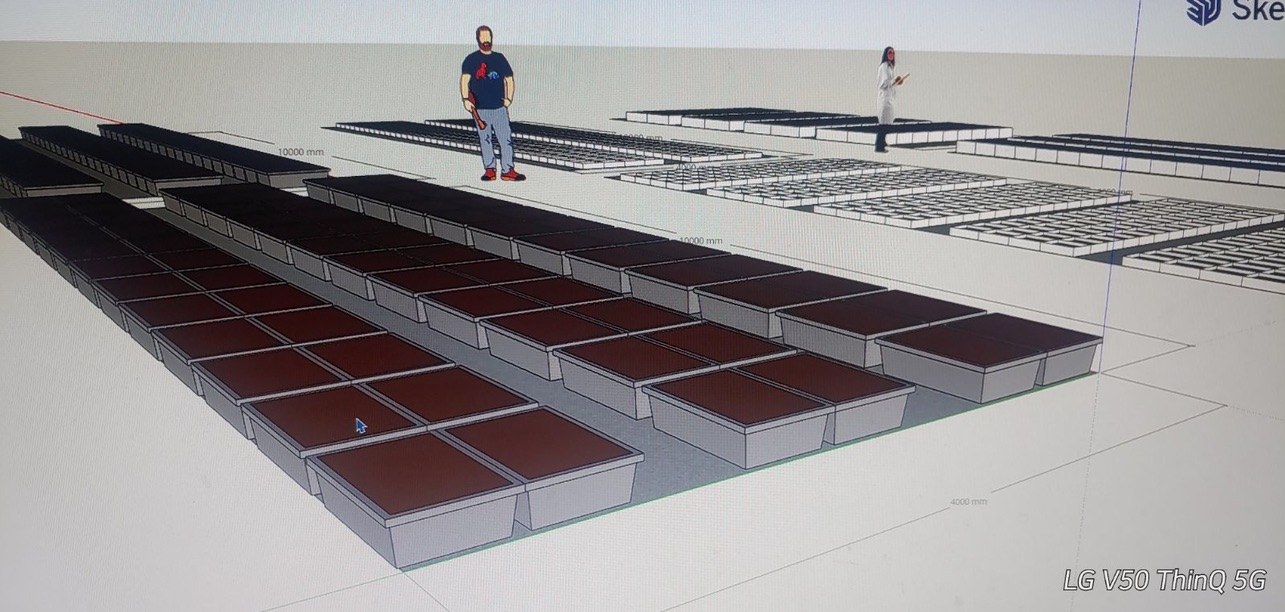
Around six thousand plants growing across five locations in one resort, and a trained team certified to run them.